
Pinpoint location
Each detector and call point has its own address, so the panel names the exact device rather than a whole zone.
Addressable systems · BS 5839-1
Pinpoint detection for larger and more complex buildings, every device has its own address, so the panel tells you exactly where the problem is. Designed, installed and maintained to BS 5839-1.
Takes 60 seconds. Free survey, free quote, no obligation.
Thanks, we'll call you within one working day to confirm your visit.
Need us sooner? Call 020 3837 0778Mon to Fri 9am–7pm · Sat 10am–3pm
 BAFEFire Safety Register 303184
 FikeApproved installer
 C-TECCertified engineers
 Gas SafeGroup registration
 NICEICGroup registration
 ibRegistered member
Every device reports its own location, so a fault or an alarm is found in seconds rather than searched for floor by floor.
Each detector and call point has its own address, so the panel names the exact device rather than a whole zone.
Analogue sensing and drift compensation mean the panel can tell dust and steam from smoke before it evacuates a building.
Loops take hundreds of devices, so extensions, refits and change of use rarely mean starting again.
Designed to the category your fire risk assessment sets, commissioned with full cause and effect, certificate on completion.
In an addressable system, every detector, manual call point and sounder sits on a loop and carries a unique address. When a device activates, or develops a fault, the control panel identifies that specific device and its location, rather than just a zone. In a hotel at 3am or a hospital wing, the difference between "Zone 4" and "smoke detector, Room 214" is the difference between a fast, calm response and a full evacuation.
Direct answer: an addressable fire alarm identifies the exact device that triggered, not just the zone, which means faster investigation, fewer false-alarm disruptions and much quicker fault-finding in larger buildings.
We position addressable systems where their precision earns its keep:
For small-to-medium premises, a conventional system is often the more sensible spend, we'll tell you honestly which your building needs.
Design to the BS 5839-1 category your fire risk assessment requires, free site survey, installation by fully qualified, BAFE-certified technicians, commissioning with full cause-and-effect testing, a fire alarm certificate on completion, and an optional six-monthly maintenance schedule. Already have an addressable system installed by someone else? Our takeover audit is free.
Both jobs get called the same thing on the invoice. This is what actually differs.
Four steps, the price agreed in writing before anyone starts, and one accredited team from survey to certificate.
We walk the building, agree the coverage category your risk assessment calls for, and map the loops.
You get the device schedule, the panel location and the price in writing, with no obligation.
Qualified technicians install, address every device and run full cause-and-effect testing.
The certificate and log book are handed over, then six-monthly servicing keeps it compliant.
A cross-section of the offices, HMOs and blocks we look after across London.
The old panel kept throwing faults and our previous company never turned up. Flame Shield took it over, cleared the faults in one visit, and we get a certificate every service now.
Fire alarm and emergency lighting across a three-storey office, on a tight deadline. Clean job, tidy cabling, and the BS 5839 side explained in plain English.
As a landlord with two HMOs I just want it compliant and documented. Their engineer talked me through what the regs need and emailed the certificates the same week.
An addressable fire alarm system gives every detector, call point and sounder its own unique address on a loop. When a device activates, the control panel shows exactly which device triggered and where it is, not just a zone. That precision speeds up investigation, cuts false-alarm disruption and makes fault-finding far quicker in larger buildings.
Addressable systems suit larger or more complex buildings, large commercial and industrial premises, hotels and high-rise, hospitals and care homes, and education campuses, where knowing the exact device matters. Conventional systems, which report by zone, remain a sound, cost-effective choice for small-to-medium businesses. Your fire risk assessment and building layout decide; our free survey gives you a straight recommendation.
Yes, that is one of its strengths. Devices are added to the loop and given a new address, so extensions and refits generally need far less new cabling than a conventional system. If your building is likely to grow or change use, addressable is usually the better long-term investment.
Yes. We take over addressable systems installed by others, including Fike and C-TEC panels, which we are approved installers for, and the initial takeover audit is free. See our fire alarm takeover service for how it works.
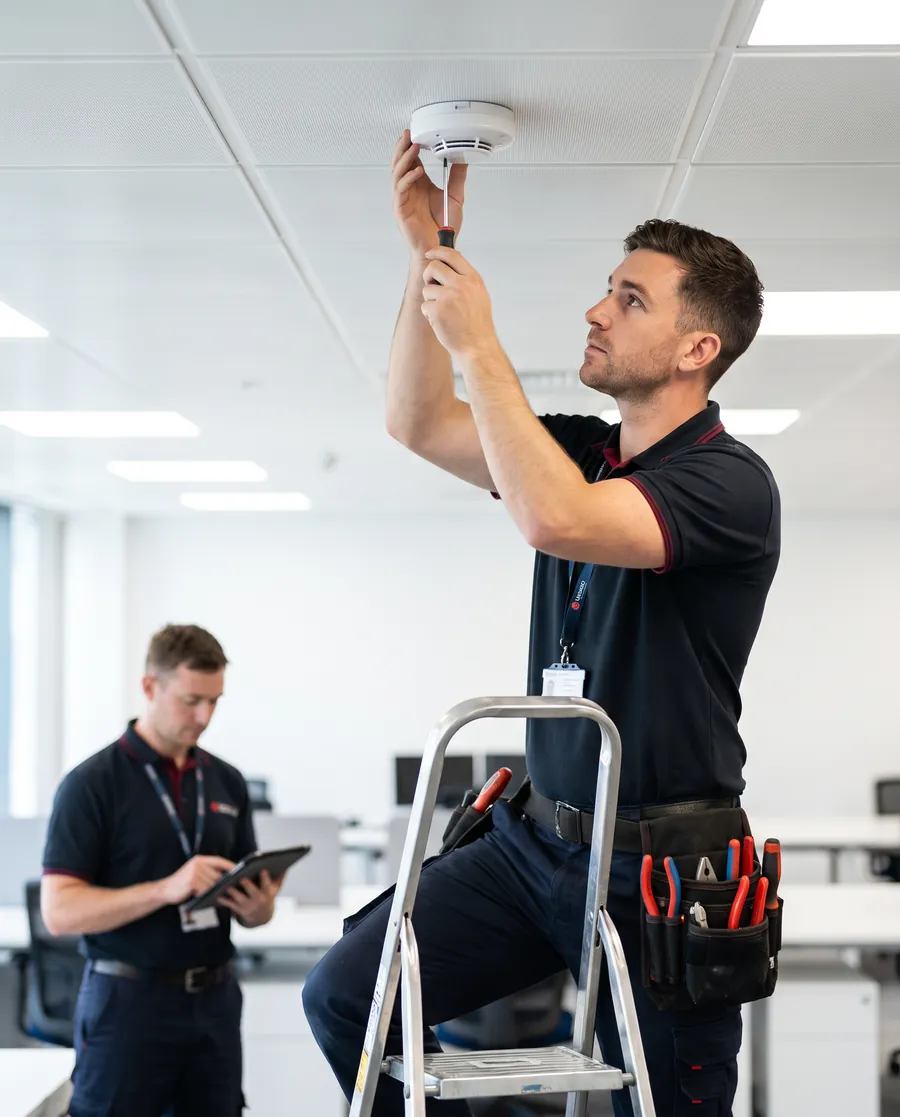
Addressable and conventional systems designed, installed and commissioned to BS 5839-1, with certification on completion.
Fire alarm installation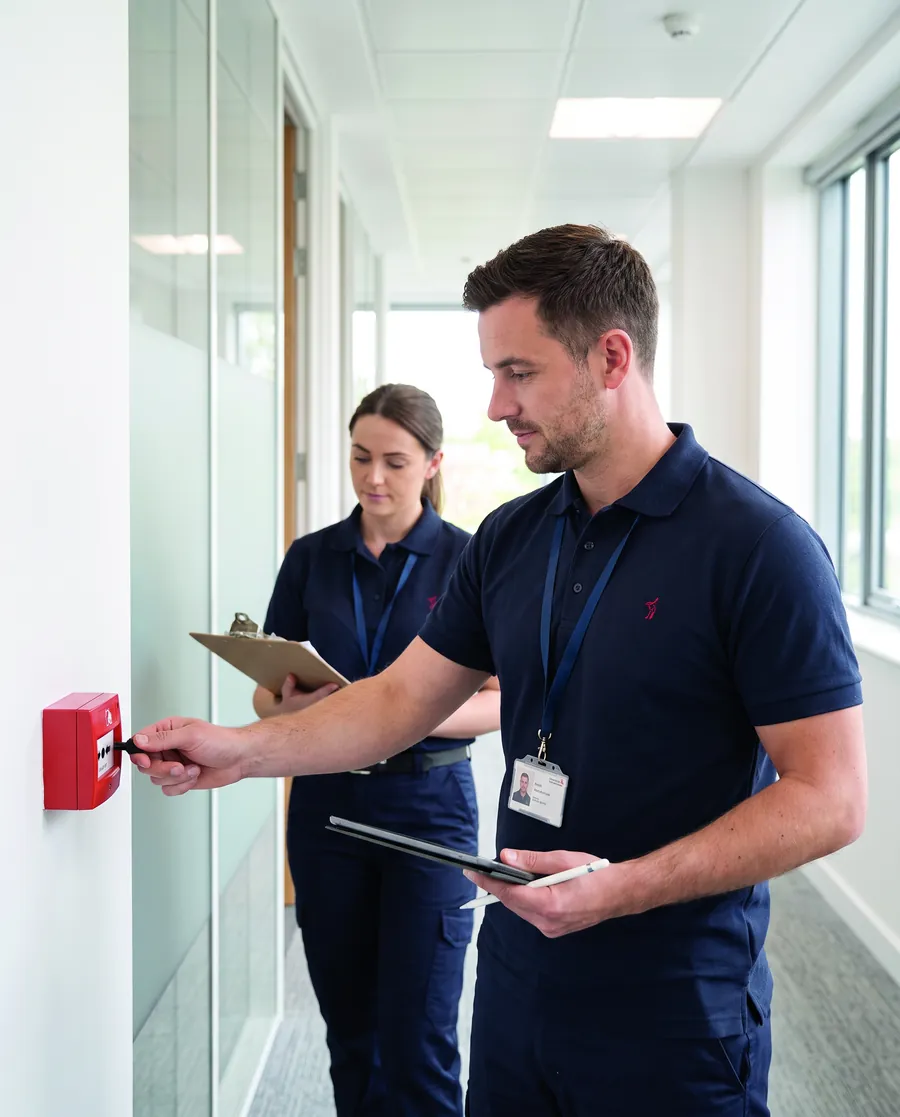
Six-monthly inspection by BAFE-certified technicians, with a certificate after every visit.
Maintenance & servicing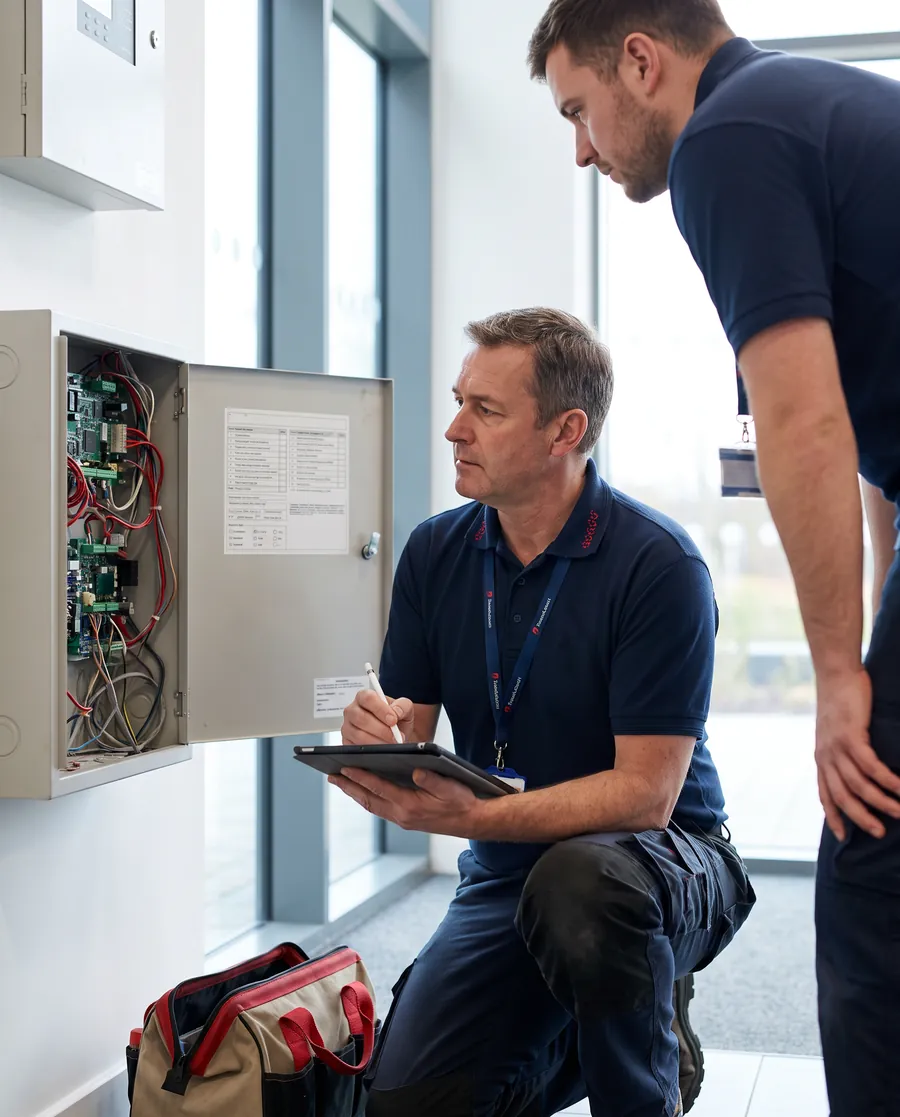
Switch provider with no gap in cover. We audit your existing system free of charge before you commit.
Free takeover auditFree survey · No obligation
Book a free survey and get a straight answer, plus a written, no-obligation quote for the right system category.
We would like to set Google Analytics cookies to see how the site is used, so we can improve it. We only set them if you accept. Nothing is loaded until you choose, and refusing changes nothing about how the site works.