

Emergency lighting repairs in London
Emergency lighting repairs in London for fittings that failed their test, will not light or will not charge. Fixed, retested and written in the log book.
Free survey and a written quote, with a reply within 7 to 24 hours.
Book a free survey
Step 1 of 4Tell us what is failing. We call you back to arrange the visit.
Request received
We've got it from here.
Step 1 of 5 is done. Here is how the rest goes.
- Request sentDone
- 2We call youNext
- 3Free survey
- 4Written quote
- 5Work done
Next: we call you back
An engineer rings you within 7 to 24 hours, during opening hours, to talk the building through and book your free survey. Then the price in writing, and no obligation either way.
- Service
- We'll call



What an emergency lighting repair involves
Most failures come down to a short list of causes, and finding which one it is takes a meter and a little patience.
-
Each failure tested
Battery, lamp, charger or supply: each failed fitting is checked so the right part is replaced the first time.
-
Repaired or replaced
A new battery where the fitting is sound, a new fitting where it is not, and the choice explained.
-
Retested on battery
Every repaired fitting is run on battery again, so the fix is proved rather than assumed.
-
Recorded for the file
The defect, the repair and the retest written into the log book your inspector or insurer will ask for.
Direct answer: an emergency light that fails its duration test, will not light on test or shows no charge light needs repairing, because the escape route it covers is unlit in a power cut. The usual cause is the battery, then the lamp or the charging circuit.
What we repair
- Failed duration tests: fittings that go out before their rated duration, usually three hours.
- Fittings that will not light when the test key is turned or the supply is cut.
- Charging faults: the charge indicator off, or a battery that never fills.
- Damaged or missing fittings: broken diffusers, fittings removed during building work, signs no longer lit.
- Test facilities: missing or broken test key switches, so the monthly test can be done again.
Repair, or time to replace?
A few failures in a system that is otherwise sound are a repair. When most fittings are failing together, spares are no longer made, or the rooms have changed since the lighting was designed, repairs only move the problem to next year. Then replacing the installation is the better spend, and we will say so plainly.
Keeping it from failing again
A failure found at the annual test may have been there for months. A short monthly function test catches a dead fitting within weeks instead. Our guide to emergency lighting testing sets out what to check, and annual testing and certification keeps the record current.
Emergency lighting repairs: common questions
Our fittings failed the annual test. What now?
A fitting that goes out before its rated duration, usually three hours, has failed and the escape route it lights is not covered. The usual cause is a battery at the end of its life; sometimes it is the lamp, the charging circuit or the fitting itself. We test each failed fitting, replace what has failed, run the duration test again and update the log book so the record shows the defect was put right.
The little green light is off. Is that a fault?
On most self-contained fittings that indicator shows the battery is charging from the mains. If it is off, the fitting may have lost its supply, or the charging circuit or battery may have failed, and the fitting may not light in a power cut. It is worth checking rather than waiting for the annual test to find it.
Is it cheaper to replace the battery or the whole fitting?
It depends on the fitting. Where a replacement battery is available and the fitting is otherwise sound, a battery is usually the cheaper repair. Older fittings with no spares, damaged housings or a layout that no longer suits the room are better replaced, and we say which on the visit rather than repairing the same fitting twice.
Do we have to fix failed emergency lights straight away?
The Fire Safety Order 2005 requires fire safety equipment to be kept in efficient working order and good repair, and a failed fitting leaves part of an escape route unlit. There is no fixed number of days, but until it is fixed the risk sits with the Responsible Person, so failures found in a test should be acted on promptly and recorded.
Related services
Testing, a new installation, and the fire alarm repair service if the panel is in fault too.
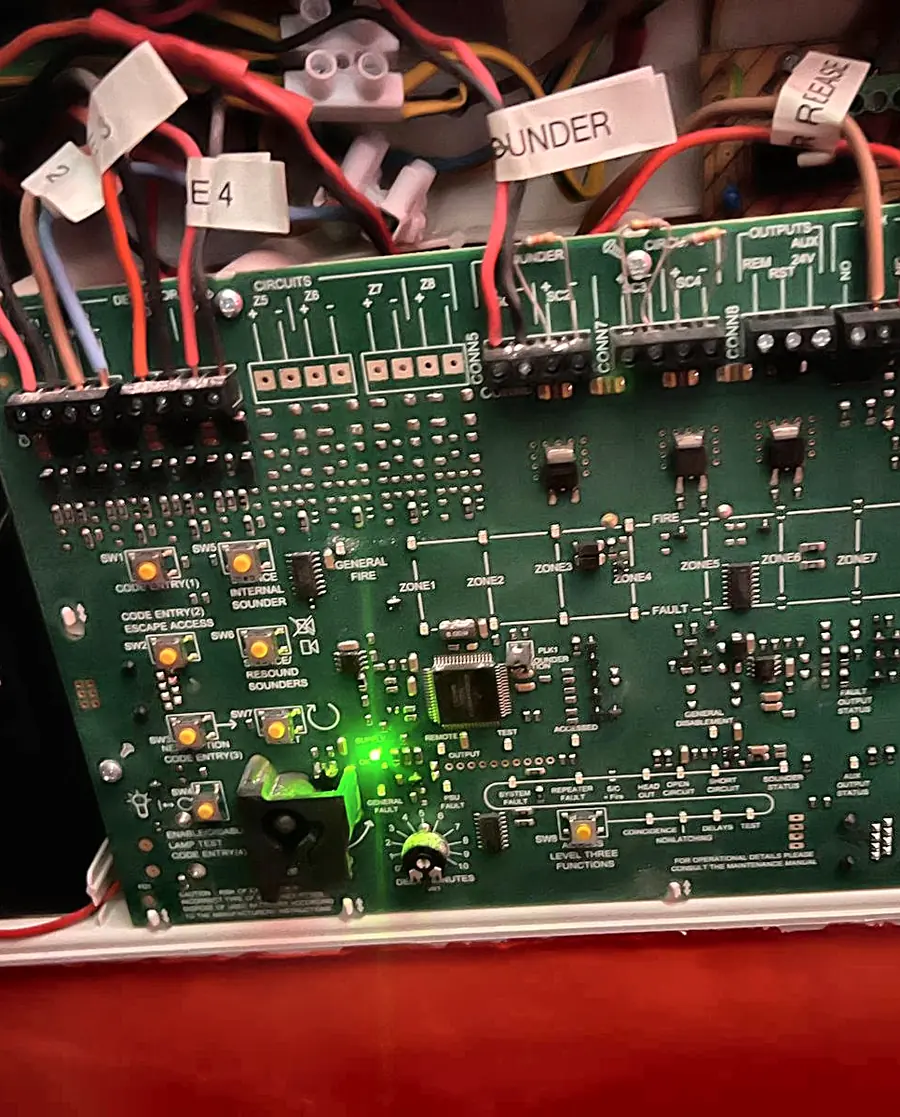
Repair & fault finding
Panel in fault, or the same false alarm every week? We find the cause rather than silencing the symptom.
Repair & fault finding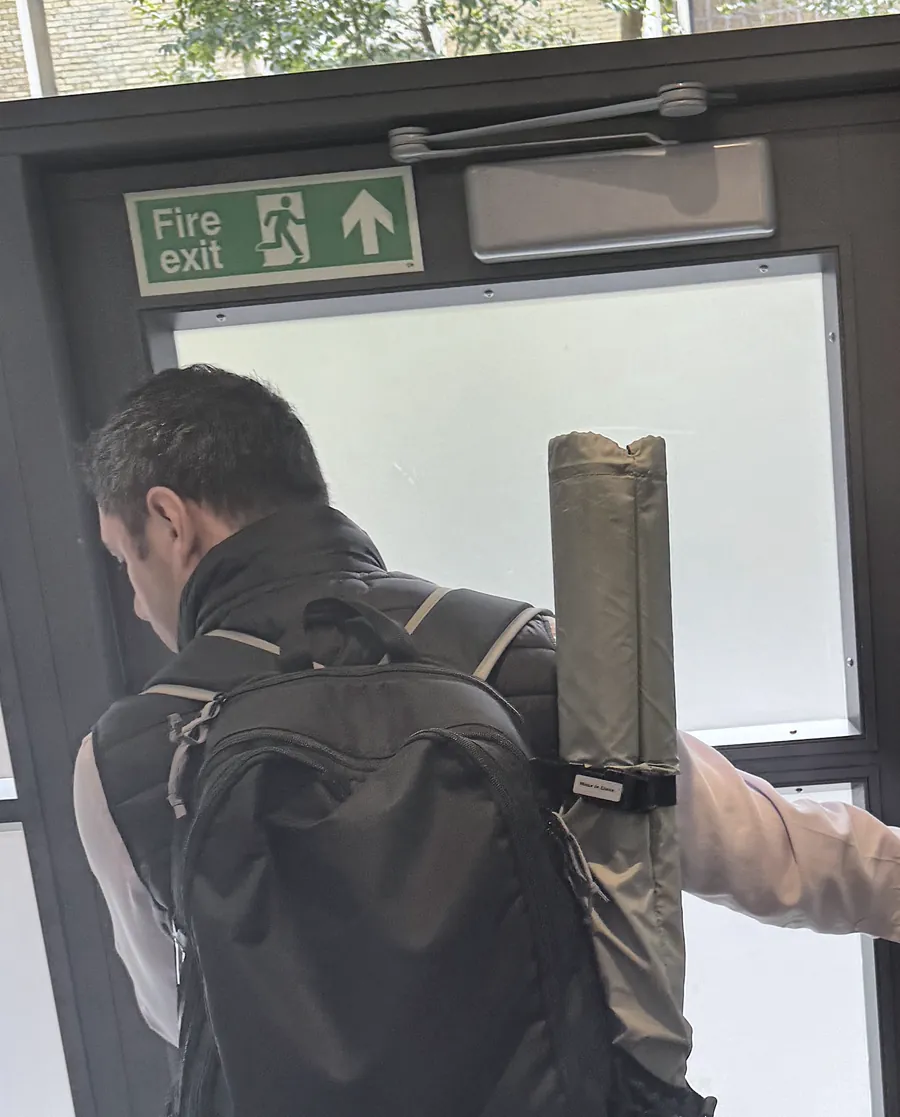
Emergency lighting
Installation, testing and certification to BS 5266-1 so escape routes stay lit when the power fails.
Emergency lighting
Emergency lighting installation
Escape routes, stairs, exits and open areas designed, fitted, duration-tested and certified to BS 5266-1.
Emergency lighting installationWhere this comes from
- BS 5266-1, emergency lighting code of practiceBSI
- Regulatory Reform (Fire Safety) Order 2005legislation.gov.uk
We name the standard rather than quoting it. British Standards are copyright of BSI and have to be bought from them; the links above are to the publisher so you can check any figure on this page against the source.
Free survey · No obligation
Fittings failed their test?
Tell us how many and what the report said. We reply within 7 to 24 hours and put the price in writing before any work.
- Emergency lighting tested to BS 5266-1
- Written quote before any work starts
- Called back within 7 to 24 hours