

Fire alarm replacement in London
Fire alarm replacement in London when the panel is obsolete, the faults keep coming back or the system no longer suits the building. Free survey, written quote.
Free survey and a written quote, with a reply within 7 to 24 hours.
 Fire alarms
Book a free survey
Step 1 of 4Three questions about the system you have now. Free survey, written quote.
Request received
We've got it from here.
Step 1 of 5 is done. Here is how the rest goes.
- Request sentDone
- 2We call youNext
- 3Free survey
- 4Written quote
- 5Work done
Next: we call you back
An engineer rings you within 7 to 24 hours, during opening hours, to talk the building through and book your free survey. Then the price in writing, and no obligation either way.
- Service
- We'll call



Replacing a system in a building that is still in use
The difference from a first installation is everything already in the walls, and the people still working or living around it.
-
Tested before it is condemned
Existing cabling is tested first. Runs that pass and suit the new design can stay, and the quote says which.
-
No gap in cover
The old system stays in service until the new one is commissioned, wherever the building allows it.
-
Matched to the assessment
A replacement is the moment to fit the category the fire risk assessment asks for, not to copy what was there.
-
Certified at every stage
Design, installation and commissioning certificates to BS 5839-1, under our BAFE SP203-1 registration.
Direct answer: replace a fire alarm when the panel can no longer be supported, when faults return after every repair, or when the system no longer matches the category your fire risk assessment asks for. Age on its own is not the test.
When replacing beats repairing
- The panel is obsolete: the manufacturer no longer supplies parts, so the next fault may be the one that cannot be fixed.
- The faults keep coming back: the same loop, zone or device in fault after every visit.
- The building has changed: rooms divided, floors converted or a new use, and the detection no longer follows the layout.
- The assessment asks for more: a fire risk assessment that calls for a different category than the system was designed to.
- Nobody can read it: extended piecemeal for years, with no zone plan that matches the building.
What a replacement involves
We start with the survey and the fire risk assessment, because the assessment sets the category the new system has to meet. Then the existing cabling is tested, so the design can keep what is sound. The design covers the panel position, the detector type in each room, the zones and the cause and effect, and it is drawn before anything is ordered.
Installation is sequenced around the building. The old panel stays live until the new system is commissioned and tested, then it comes out. You get the certificates, a zone plan by the panel and a log book, and somebody on site is shown the weekly test.
Conventional or addressable this time?
A replacement is a natural point to change type. A small building with a handful of zones is often well served by a conventional panel again. A building that has grown, or where knowing the exact device saves a search on every fault, usually moves to addressable. We fit C-TEC and Fike control equipment, and our guide to addressable versus conventional sets out the trade-off.
What it costs
A replacement is priced like a new installation, less whatever cabling can stay. The calculator on the installation page gives the range for a system of your size from our own rates, and the survey turns that range into a written price before any work starts.
How a replacement runs
Four steps, and the building keeps its protection through all of them.
-
01
Survey and the assessment
We walk the building with the current fire risk assessment and the panel log, and note what the new system has to cover.
-
02
Cables tested, design drawn
Sound cabling is kept where the design allows it. The layout, zones and cause and effect are drawn before anything is ordered.
-
03
Installed around you
The new system goes in while the old one stays live, then the changeover is made in one planned step.
-
04
Commissioned and certified
Tested device by device, certificated to BS 5839-1, with a zone plan by the panel and the weekly test handed over.
Replacing a fire alarm: what people ask
How old is too old for a fire alarm?
There is no age in BS 5839-1 at which a system has to come out. The questions that decide it are practical: can the panel still be supported and repaired, does the system stay out of fault once it is fixed, and does it still match the category the fire risk assessment asks for. A well-kept system can outlive a badly specified newer one, so we judge it on those three, not on the date on the panel.
Can the existing cables be kept?
Often, in part. Cable that is of a fire-resisting type, passes its insulation and continuity tests and runs where the new design needs it can be reused, which saves time and redecoration. Cable that fails, or that serves devices the new design moves, is replaced. We test before we decide, and the quote says which runs stay.
Will the building be without an alarm during the work?
We plan the changeover so that it is not, wherever the building allows: the old system stays in service until the new one is commissioned, section by section if needed. Where a short gap cannot be avoided, the interim arrangements are agreed with you in writing before the work starts, so the Responsible Person can show what was in place.
Do we need a new fire risk assessment first?
Not always, but the replacement should follow the current one. If the assessment is out of date, or the building has changed since it was written, the category the new system is designed to may be wrong. We read it on the survey and tell you if it needs reviewing before anything is ordered.
Not sure it needs replacing yet?
Many systems only need a repair, and some only need the design looking at again.

Fire alarm installation
Addressable and conventional systems designed, installed and commissioned to BS 5839-1, with certification on completion.
Fire alarm installation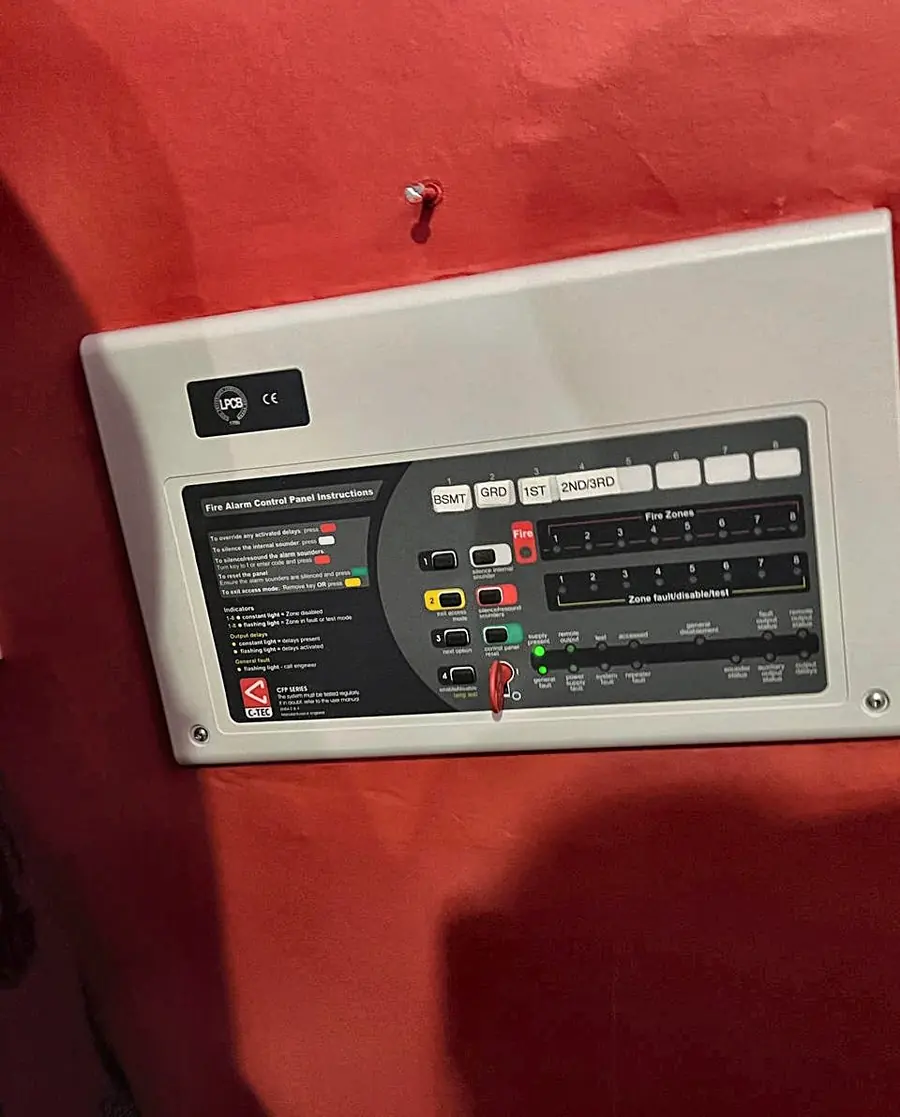
Fire alarm design
Category, drawings, zone plan and cause-and-effect matrix, issued as a design certificate. Available on its own or with the install.
Fire alarm design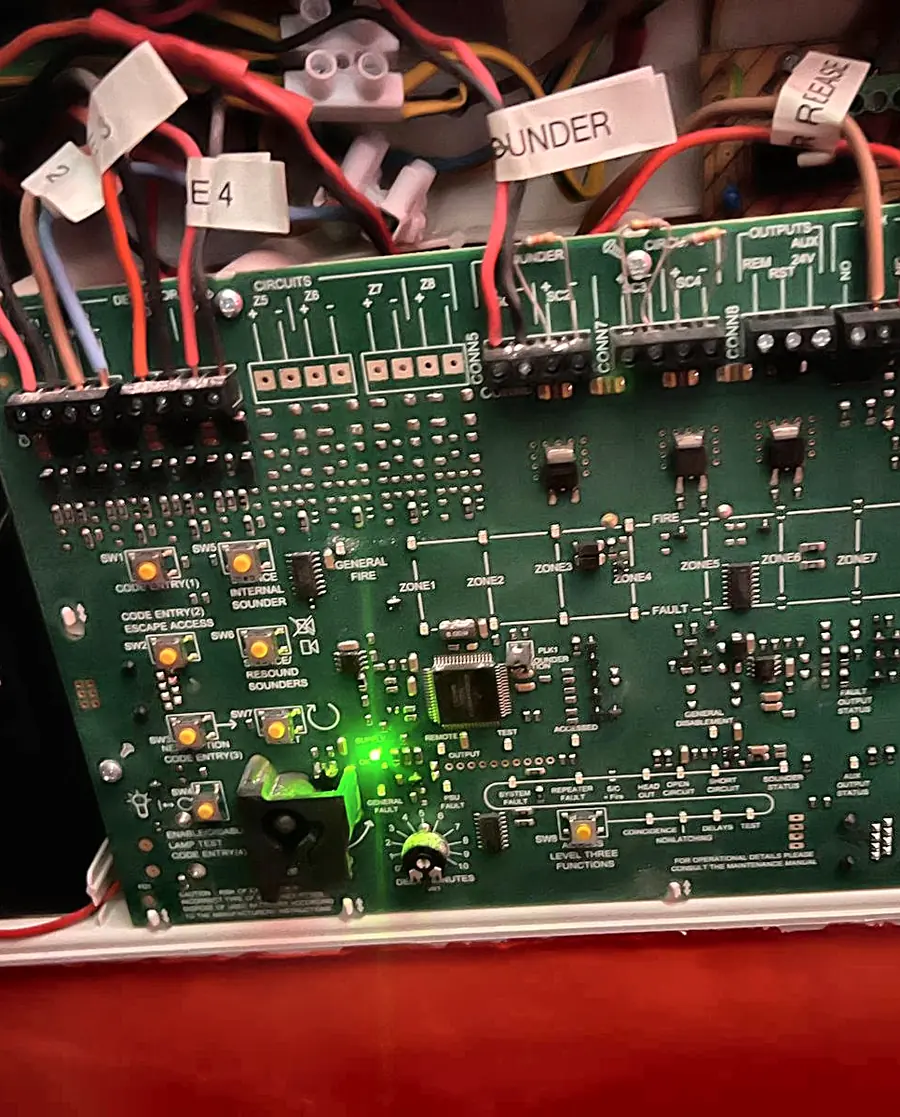
Repair & fault finding
Panel in fault, or the same false alarm every week? We find the cause rather than silencing the symptom.
Repair & fault findingWhere this comes from
- BS 5839-1, fire detection and alarm systems in non-domestic premisesBSI
- BAFE, the third-party certification body for scheme SP203-1bafe.org.uk
We name the standard rather than quoting it. British Standards are copyright of BSI and have to be bought from them; the links above are to the publisher so you can check any figure on this page against the source.
Free survey · No obligation
Is your panel past repair?
Tell us the make and what keeps going wrong. The survey is free, and you get a written answer on repair or replacement either way.
- BAFE SP203-1 registered for fire alarms, Fike and C-TEC certified
- Written quote before any work starts
- Called back within 7 to 24 hours